
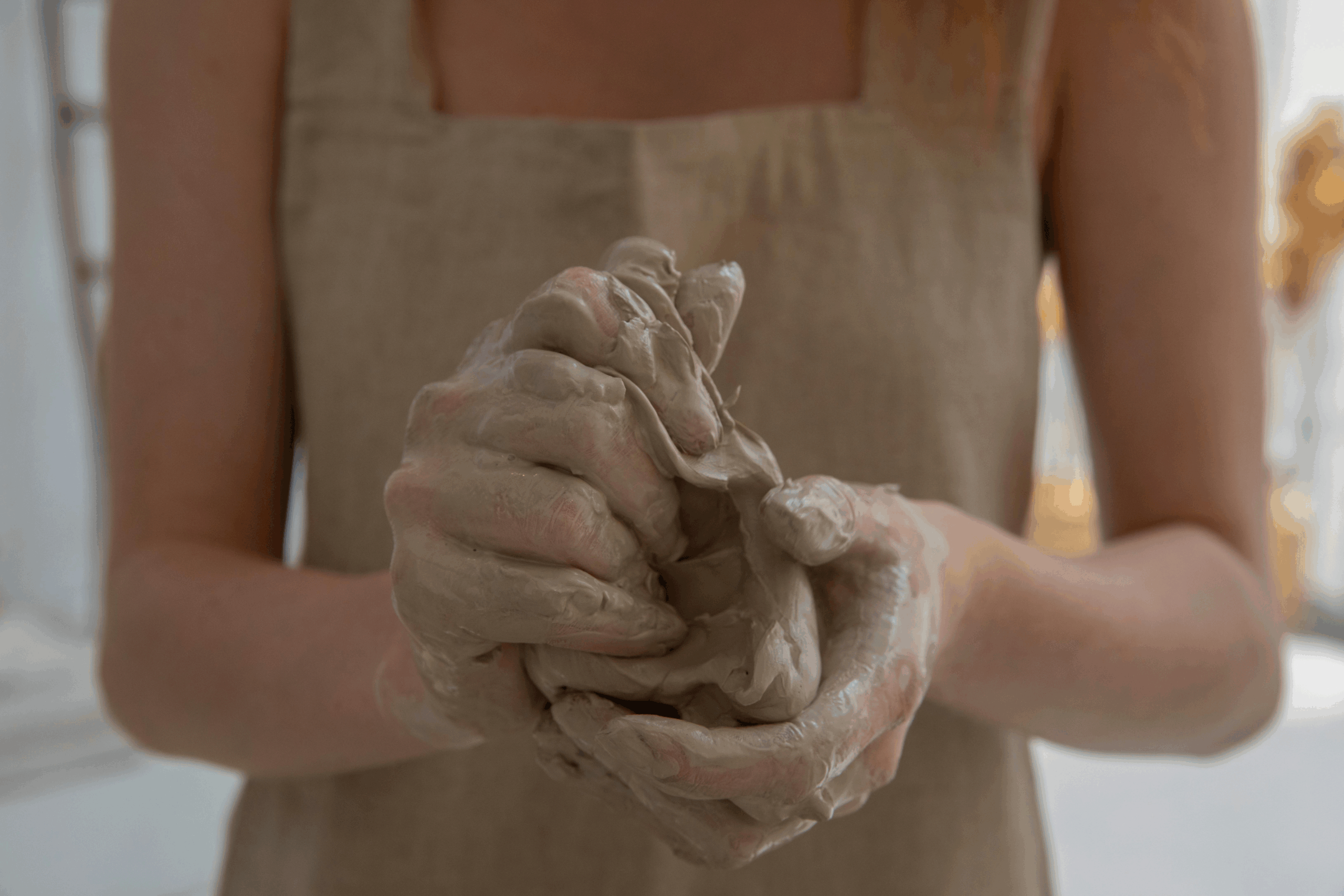

Our Luxury Ancient Japan Itinerary begins long before samurai ruled, when the islands were home to civilizations whose artistry and spirituality still whisper. It explores the Jōmon, Yayoi, and Kofun periods (roughly 14,000 BCE – 538 CE), an era that laid the foundations for Japan’s enduring balance between innovation and reverence for nature—a dialogue between earth, ritual, and design that continues today. If you are planning a trip to Japan focused on history, this Japan itinerary is the perfect place to start your Japanese travel schedule.
Who They Were: Unearthing Ritual, Clay, and the Roots of Design on Your Japan Itinerary
This era unfolds in three profound cultural layers, each adding complexity to the land and its people:
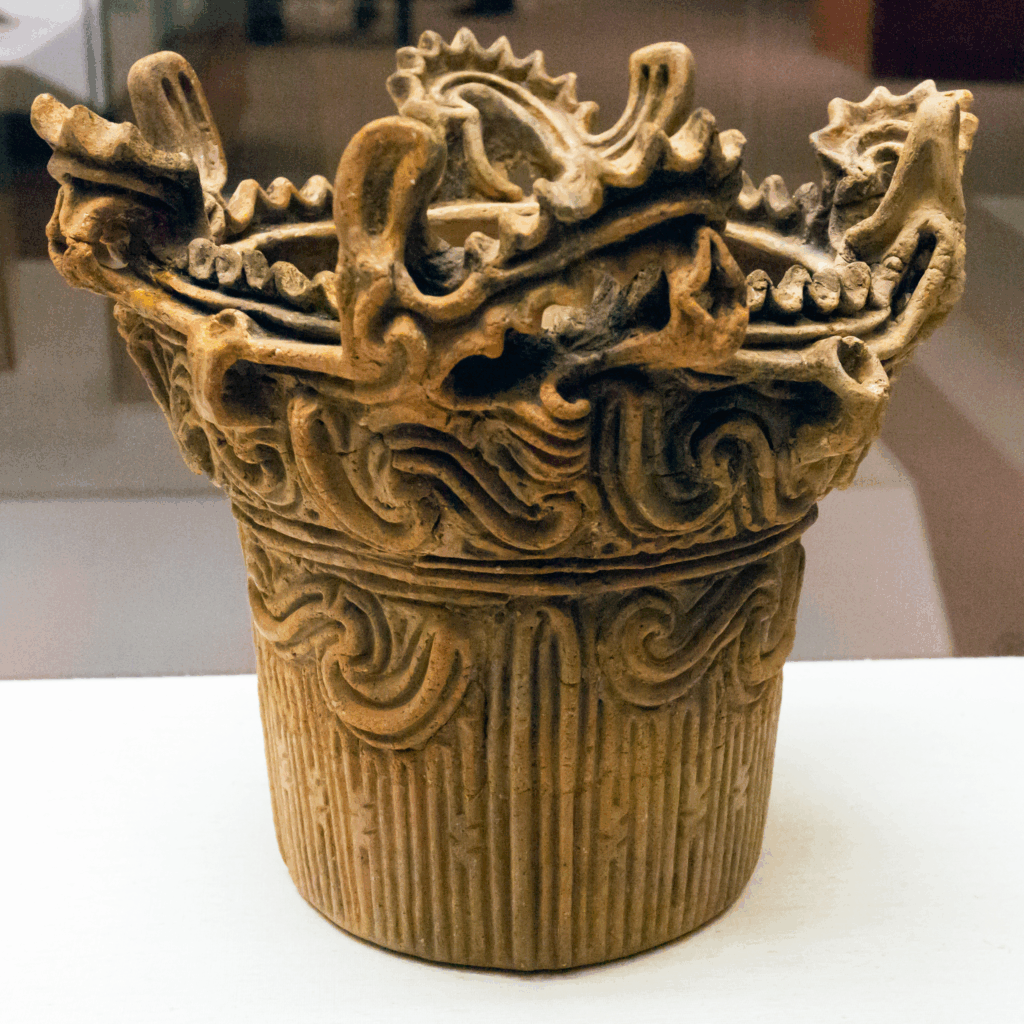
- The Jōmon Period (c. 14,000 BCE – 300 BCE): The Art of the Ancient Potter The Jōmon people are among the world’s earliest potters, crafting cord-patterned vessels (Jōmon literally means “cord-marked”) that turned humble clay into elaborate, fire-etched storytelling. Their expressive dogū figurines—part human, part spirit, often with distinctive, goggled eyes—were believed to protect, heal, or connect the living with unseen realms. This primal art is a cornerstone of any premium Japan cultural tour.
- The Yayoi Period (c. 300 BCE – 300 CE): The Arrival of Cultivation The Yayoi era saw a major societal transformation as rice cultivation, weaving, and sophisticated metallurgy arrived from the Asian mainland. The focus shifts from the Jōmon’s bold, rugged expression to the Yayoi’s smoother, more symmetrical forms needed for agriculture and large-scale ritual.
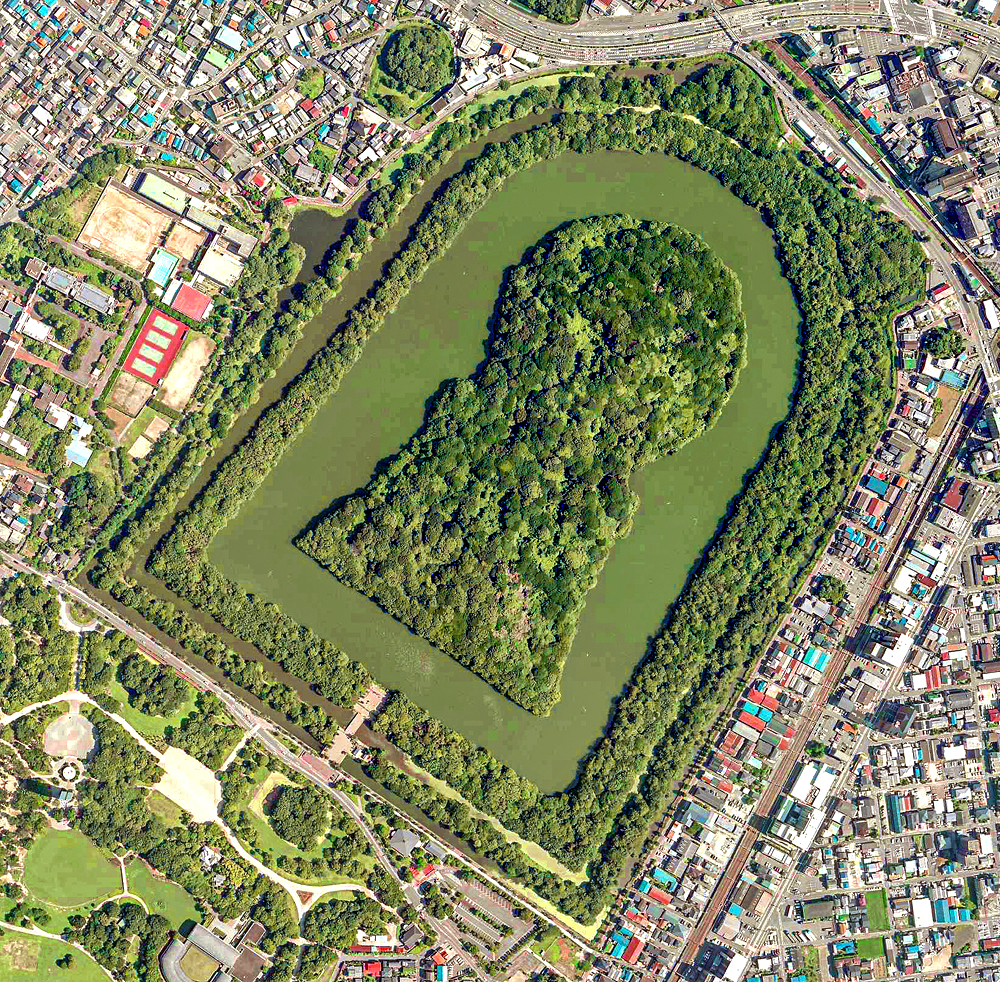
- The Kofun Period (c. 300 CE – 538 CE): The Masters of Monumental Scale The Kofun period marked the rise of powerful clan rulers who expressed their authority through monumental tombs (kofun). These keyhole-shaped mounds—often surrounded by moats and guarded by lines of haniwa terracotta figures—are an engineering marvel. These sites are the highlight of the best Kofun Tombs itinerary.
In ancient Japan, beauty was not made—it was unearthed.
Art and Architecture during your Japan trip: Invocation, Not Ornament
For these early societies, art was not ornament; it was invocation. Clay, metal, and earth became conduits for the divine:
- The Haniwa Silence: The terracotta haniwa figures—representing soldiers, dancers, houses, and animals—are stoic, simple, and silent. Their subtle artistry forecasts the minimalist, quiet power of later Zen sculpture.
- The Jōmon Spiral: The delicate spirals and flame-like rims carved into Jōmon pottery mirrored the dynamism of fire and water, a passionate expression of nature’s untamed energy.
- The Kofun Geometry: The colossal engineering of the keyhole tombs reflected a reverence for balance between heaven and earth. The sheer scale was meant to project political and spiritual power across the landscape.
For these early societies, art was not ornament… Tracing this spiritual connection is the essence of a high-end cultural journey through Japan. The remnants of this prehistoric imagination still surface across modern Japan—in the lines of a tea bowl, the curves of a garden path, the stillness of a museum gallery. Tracing these origins offers travelers a deeper connection to Japan’s artistic DNA, best achieved with a structured Luxury Ancient Japan Itinerary.
Japan Itinerary: Planning Your Ultimate Ancient Cultural Trip
This Japan itinerary focuses on quiet discovery and the contrast between ancient ruins and the refined presentation of artifacts in world-class museums. It is designed for travelers who value historical depth, museum curation, and quiet discovery.
Day 1: Tokyo & The Art of Jōmon: A Japanese Ceramics Art History Focus
Focus: Jōmon, Yayoi, and the continuity of Japanese design. Region: Ueno Park & Old Tokyo
- Morning: Tokyo National Museum Begin in the spacious galleries dedicated to Japan’s earliest periods. View Jōmon dogū and Yayoi bronze bells (dōtaku) displayed with elegant restraint. The lighting and spacing are themselves a masterclass in modern Japanese aesthetics and refined museum curation.
- Lunch Area: Yanaka District Settle into the charming, preserved narrow lanes of Yanaka. Lunch here should be a quiet, traditional affair, evoking the feel of ancient villages before the city’s concrete sprawl. Lunch should be a quiet, traditional affair, a type of experience central to this premium Japan cultural tour.
- Afternoon: Edo-Tokyo Open-Air Museum Though later in period, this museum allows you to contrast the prehistoric simplicity with Edo craftsmanship. The historic houses with thatched roofs show how design evolved while staying rooted in materials from nature.
- Dinner Area: Ginza/Nihonbashi Conclude your day in the high-end dining areas of Ginza or Nihonbashi. Seek out an intimate contemporary Washoku or modern Kaiseki restaurant where the chef’s philosophy deliberately connects modern plating with ancient earthenware.
Day 2: Osaka & The Monumental Scale of Power: The Best Kofun Tombs Itinerary
Focus: The monumental Kofun era and its UNESCO legacy. Region: Osaka & Sakai
- Sunrise: Daisenryō Kofun Arrive before the crowds at one of Japan’s most awe-inspiring landscapes: Emperor Nintoku’s Tomb. Walk the perimeter path at dawn as mist rises over the immense moat; this is the ultimate example of time-travel architecture. Experiencing the mist rise over the moat at dawn captures the spiritual beginnings of Japan, a truly unique experience in your Japan itinerary.
- Late Morning: Mozu Kofun Cluster Viewpoint Gain perspective by taking in the tomb’s cosmic geometry from above. Its keyhole shape symbolizes harmony between heaven and earth—a key element in our curated luxury ancient Japan itinerary.
- Lunch Area: Sakai City Dine in Sakai City proper. Look for a refined local restaurant offering a precise Kaiseki or Washoku lunch set, honoring the city’s disciplined artisan heritage—a vital connection on this journey.
- Afternoon: Sakai City Museum Exhibits detailing the construction of the kofun tombs and the ritual purpose of the terracotta haniwa. This is essential for translating the scale you just saw into human context.
- Dinner Area: Namba/Shinsaibashi-Suji End your journey in the vibrant yet sophisticated side streets of Namba/Shinsaibashi. Seek out a restaurant that features a modern take on kaiseki or fine dining, ensuring the presentation is as beautiful and intentional as the historical forms you spent the day contemplating.
Extend the Journey: More Ways to Enhance Your Ultimate Japan Itinerary
If you have a little more time—or simply want to linger in the quiet places where Japan’s earliest artistry still breathes—add one or two of these to your journey.
- The Yoshinogari Historical Park in Saga Prefecture is a beautifully reconstructed Yayoi village… ideal for travelers seeking an immersive, hands-on sense of ancient communal life, making it a powerful addition to the ultimate Japan itinerary.
- The Shōsōin Treasure House in Nara, though primarily known for 8th-century relics, holds contents that echo the continuity of craftsmanship and material culture from ancient Japan onward, offering a crucial link between the eras.
- For an aesthetic lineage connection in Kyoto, trace the journey from Jōmon clay to Zen refinement… This connection showcases the depth of the Japanese aesthetic lineage.
Etiquette & Timing for the Discerning Traveler
For the discerning traveler, stillness is key.
- When planning a trip to Japan, visit outdoor sites (like the kofun perimeters) early for stillness, cooler air, and beautiful photographic potential. For the discerning traveler, stillness is key.
- At museums, use photography restrictions as an invitation to slow down and practice quiet observation—the Japanese reverence for artifacts deserves it.
- The best time to visit for comfort is during spring and autumn, which offer the most comfortable weather for enjoying both the indoor and outdoor experiences. This is essential planning for your Luxury Ancient Japan Itinerary.
Continue your Japan Exploration
- Previous Edit: Japan: Where Ancient Rituals Meet the Future High-End Cultural Journey
- Next Edit: Heian Kyoto and the Birth of Beauty: A Study in Japanese Aesthetic Lineage
- Related Reading: Books & Films Edit: Stories Set in Japan (An Editorial Review)
- Style Companion: Style & Packing Guide: Curated Wardrobe Edits for the Discerning Traveler