
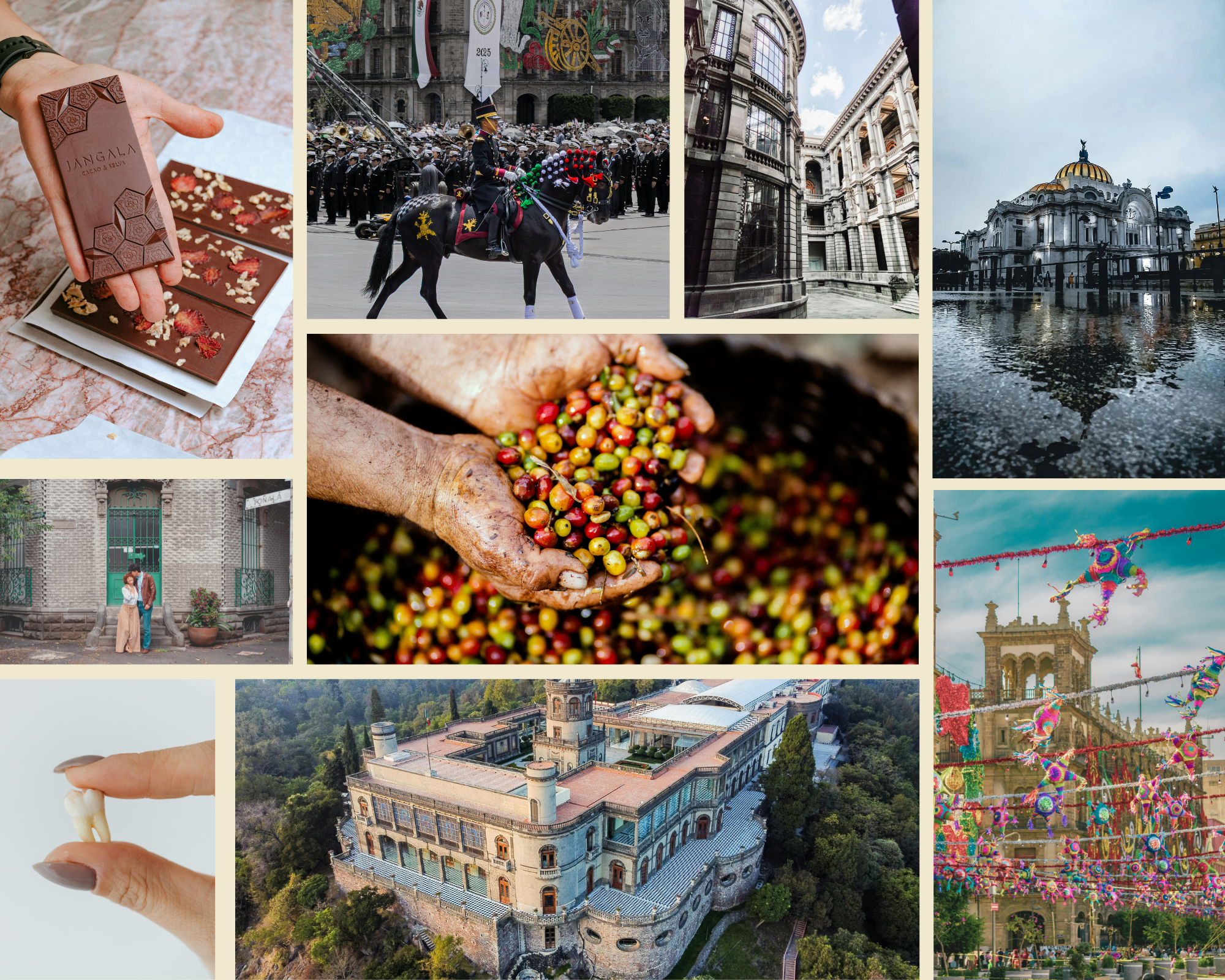

There’s something about Mexico City that demands you arrive with context—and the right Mexico City books provide exactly that. This isn’t a destination you simply see—it’s one you need to understand.
The first time I pedaled down Paseo de la Reforma on a Sunday morning, weaving between families on bikes while Chapultepec Castle rose in the distance, I realized what makes CDMX extraordinary: it’s a city that rewards curiosity. The tree-lined streets of Condesa. The museum-dense corners of Polanco. The perfect weather that makes every sidewalk café feel like an invitation.
But to truly connect with Mexico City’s cosmopolitan soul—its revolutionary past, its culinary genius, its artistic legacy—you need the stories that shaped it.
This CDMX reading list of essential Mexico City books brings together the novels, memoirs, and histories that illuminate the city’s layered identity. Whether you’re planning your first trip or reliving your tenth, these books will deepen every experience, from market browsing to museum wandering to late-night taco stand philosophy.
Because the best trips to Mexico City don’t start at the airport. They start with the right books about Mexico City.
Fiction: Must-Read Books Set in Mexico City
These Mexico City books in the fiction category reveal the city through imagination, memory, and artistic vision


What makes it essential: The way Fuentes captures the gap between revolutionary ideals and the messy reality of power. Through fragmented memories and shifting perspectives, you witness how a young revolutionary transforms into the kind of power broker he once fought against. You’ll never look at Mexico City’s grand boulevards the same way.
Walk Where Revolutionary Dreams Collide With Reality:
Walk into the Museo Nacional de la Revolución and you’re standing inside Mexico’s unfinished promise. The monument itself—a massive art deco dome that was meant to be a legislative palace—became a memorial to revolution instead. Sound familiar? That’s Fuentes’ entire thesis, carved in stone.
Learn more about visiting this landmark in our comprehensive Mexico City travel guide.
Then head to Chapultepec Castle, where cadets died defending Mexico against American forces in 1847. The tragedy here isn’t just historical—it’s the way idealism keeps colliding with reality, generation after generation. Stand on the terrace overlooking the city and you’ll understand why Artemio Cruz couldn’t escape his past.
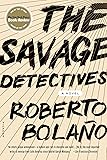
What makes it unforgettable: The way Bolaño captures artistic obsession and the magnetic pull of a city where every café table could be hosting the next literary movement. You’ll find yourself wandering CDMX’s bookstores differently after reading this. Awards: Rómulo Gallegos Prize, Herralde Prize
Find Your Own Literary Obsession:
Start in Colonia Roma, where the poets at the heart of this novel would have haunted cafés and bookstores, arguing about literature until dawn. The neighborhood still has that intellectual-bohemian energy—tree-lined streets, art deco buildings, independent bookshops where staff actually read.
Then make a pilgrimage to Librería Rosario Castellanos or Librería Cafebrería El Péndulo (Countess-Roma location). These aren’t just bookstores—they’re the kind of spaces where Bolaño’s characters would have felt at home, surrounded by floor-to-ceiling shelves and the certainty that literature matters more than sleep.
For more on capturing Mexico City’s cinematic soul, explore our guide to films set in Mexico City.

What starts as a forbidden love story becomes a meditation on how women carve out power in spaces designed to contain them. Why it resonates: Because anyone who’s tasted truly exceptional food in Mexico City knows—there’s something beyond technique happening in those kitchens. Esquivel names it.
Taste the Magic Yourself in CDMX:
San Ángel still feels like the Mexico Esquivel describes—colonial architecture draped in bougainvillea, Saturday art markets where painters sell alongside ancient women hand-pressing tortillas. Duck into any traditional cocina and watch the choreography: three generations working in silent coordination, recipes passed down through demonstration, not documentation.
At the Museo Nacional de Arte, you’ll find 19th-century paintings that capture the Mexico Tita inhabited—a world where tradition wasn’t quaint, it was law. The gap between those gilded frames and the contemporary installations upstairs? That’s the revolution Esquivel quietly documents, one recipe at a time.

The genius detail: This novel was originally serialized in the Museo Jumex newsletter, with each chapter responding to the museum’s current exhibition. Art and fiction became conversation partners. Part picaresque, part meditation on value and authenticity, part love letter to storytelling itself.
Where Fiction and Contemporary Art Conspire:
You have to visit Museo Jumex, where this novel literally began. The building itself—designed by David Chipperfield—is all angular concrete and natural light, a stark contrast to the baroque museums downtown. Inside, contemporary art that makes you question what you’re looking at. (Exactly Luiselli’s point.)
Then spend an afternoon at La Lagunilla Market—one of CDMX’s legendary flea markets. Here, surrounded by vendors swearing their ceramics are pre-Columbian and their silverware once graced royal tables, you’ll understand Highway’s philosophy: in a city of storytellers, provenance is just another form of fiction.

Why it matters: Because Mexico City’s breakneck modernization isn’t historical curiosity—it’s ongoing. This book helps you see the ghosts beneath the skyscrapers, the casualties of transformation that made CDMX what it is today.
See the Layers of Time:
Walk through Centro Histórico and you’ll see Pacheco’s thesis everywhere: colonial buildings pressed against modernist towers, street vendors beside Starbucks, tradition and progress in constant negotiation. The zócalo alone contains 600 years of architectural decisions, each one erasing something that came before. To trace this area’s evolution from the Aztec capital of Tenochtitlán to a modern metropolis, explore the historical insights in our complete Mexico City Destination Guide.
El Colegio Nacional—the intellectual institution where Pacheco himself was a member—represents the Mexico City that elevated arts and letters to national importance. Tour the building (if you can) and you’ll glimpse the world Pacheco both celebrated and mourned.

Why it’s essential: Because any honest understanding of modern CDMX requires acknowledging the city’s stark divisions. Melchor forces you to look at what luxury travel guides skip over—the economic chasms, the resentments, the violence simmering beneath cosmopolitan surfaces.
Witness the Contrasts:
This novel won’t send you to museums—it’ll send you to the reality check.
Take the Metro from Polanco (luxury shopping, Michelin-starred restaurants, embassies) to Tepito (working-class market neighborhood, vibrant but edgy). That 20-minute ride? That’s the economic chasm Melchor writes about. Mexico City’s magic includes its inequality, and Paradais ensures you won’t romanticize it away.
Walking from the Anthropology Museum (pre-Hispanic glory) to Museo Jumex (contemporary edge) to Frida’s Casa Azul (personal mythology), you’re witnessing a city in constant dialogue with its own identity. And books these books about Mexico City are your way into that conversation.
Non-Fiction: Histories, Memoirs & Deep Dives – Essential Books About Mexico City
While fiction captures CDMX’s soul, these essential non-fiction Mexico City books provide historical context and contemporary insight.
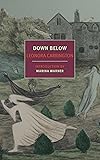
Why it’s compelling: Because Carrington’s art hangs in CDMX’s major museums, and this memoir shows you the woman behind those haunting canvases. Art became the language she could control when reality wouldn’t cooperate.
Step Into Carrington’s Surreal World:
Start at the Museo de Arte Moderno in Chapultepec Park, where Carrington’s massive canvas El Mundo Mágico de los Mayas greets you. Her surrealist work—hybrid creatures, mystical symbolism, unsettling domesticity—makes more sense after reading her memoir.
Then visit Casa Azul (Frida Kahlo Museum) in Coyoacán. Carrington ran in the same expat-artist circles as Kahlo and Rivera. Mexico City in the 1940s welcomed artistic refugees from Europe’s violence, creating one of the 20th century’s great creative communities. Carrington found more than safety here—she found a home that understood strangeness as asset, not liability.
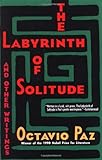
What makes it essential: Paz captures something fundamental about Mexican culture that no guidebook ever will—the way historical trauma shapes contemporary life, the complex relationship with death, the significance of fiestas as collective catharsis. His chapter on the pachuco subculture alone is worth the read. This isn’t light beach reading, but if you want to understand the philosophical underpinnings of everything you’re experiencing in CDMX, this is your text.
Awards: Nobel Prize in Literature (1990), Cervantes Prize
Where Solitude Becomes Sacred:
Visit the Museo Casa de León Trotsky, the home where Trotsky lived in exile, which Paz discusses in his reflections on political exile and revolution. The museum offers a personal glimpse into the turbulent times Paz critiques.
Explore CDMX’s central plaza, the Zócalo, where history converges in ways that resonate with Paz’s explorations of Mexican identity. The mix of ancient ruins, colonial architecture, and modern life embodies the contradictions Paz describes.

What makes it essential: Lida doesn’t romanticize Mexico City—he shows you the violence, the poverty, the dysfunction—but he also makes you understand why millions of people love this impossible city anyway. His chapters on everything from sex work to evangelical Christianity to the city’s obsession with lucha libre reveal the human stories behind the statistics. If you only read one contemporary book about Mexico City, make it this one.
Awards: Selected as one of the best books of the year by the San Francisco Chronicle
Where the City Shows Its Soul:
Take the Metro during rush hour—not as a tourist novelty, but as transportation. Watch the blind musicians, the gum vendors, the exhausted commuters, the impromptu performances. That cramped, sweaty, surprisingly efficient underground network carries 5 million people daily. Lida writes about the Metro as the city’s great equalizer, and he’s right. You can’t understand Mexico City from a car.
Next, explore Centro Histórico–the heart of Mexico City that Lida describes in detail—a place where history, culture, and modern life intersect. Walk through its historic streets to experience the contrasts and continuities that define Mexico City.
Then make your way to Colonia Roma, a neighborhood that represents the fusion of the old and the new, showcasing the city’s eclectic architectural styles and vibrant cultural life. It’s an area where you can truly feel the pulse of the modern city that Lida portrays.

What makes it essential: Each crónica is short enough to read over coffee but dense enough to sit with for days. You’ll get essays on the 1968 Tlatelolco massacre, the earthquake of 1985, the evolution of the chilango identity, and the city’s relationship with death. Gallo’s editorial choices are impeccable—he includes the canonical voices you need and the contemporary writers you should know. Plus, reading multiple perspectives helps you understand that Mexico City isn’t one story, it’s thousands.
Where Literary History Lives:
The Café La Habana in Roma Norte isn’t just serving excellent coffee and pan dulce—it’s where Fidel Castro and Che Guevara allegedly planned the Cuban Revolution over espresso. More importantly for readers, it’s where generations of Mexican writers have argued, flirted, and procrastinated. Sit in a corner booth with The Mexico City Reader and you’re participating in a tradition.
Many of the writers reflect on the green heart of the city—Chapultepec Park. Spend a day exploring its vast gardens, museums, and historic sites, which serve as a peaceful retreat from the city’s hustle and bustle.
Dive into the dynamic world of Mexico City’s markets, as described by several contributors. The Mercado de la Merced is one of the city’s largest and most iconic markets, offering a sensory overload of colors, smells, and sounds.

What makes it essential: Goldman writes about Mexico City the way only someone who’s chosen it (rather than been born to it) can—with intense observation and deep gratitude. His analysis of the narco war’s impact on daily life, the return of the PRI party, and the resilience of chilango culture is sharp and unsentimental. But it’s also a book about falling back in love with life, and Mexico City as the place where that becomes possible. You’ll finish it wanting to move there immediately.
Awards: Finalist for the National Book Critics Circle Award
Where Grief and Beauty Coexist:
The Jardín Pushkin in Polanco—a tiny, perfect park with a Pushkin statue and massive trees creating a green canopy over wrought-iron benches. Goldman writes about seeking out these pockets of tranquility in a chaotic city. Sit here on a Sunday afternoon, watch families and couples and solitary readers, and you’ll understand what he means about the city’s capacity for both violence and tenderness.
A key setting in the book, the trendy La Condesa neighborhood with leafy streets and art deco architecture is where Goldman recounts much of his experience. Stroll through its parks and cafes to get a feel for the vibrant community. For tips on how to dress the part while exploring its parks and cafes, see our Mexico City Style & Packing Guide for emulating local fashion.
Famous for its mariachi bands, the lively Plaza Garibaldi is where Goldman reflects on the interplay between traditional culture and the evolving dynamics of urban life.

What makes it essential: Galeano writes like no one else—poetic, furious, and devastatingly factual. His chapter on the silver mines of Potosí alone will change how you see every colonial-era church in Mexico City. He connects the dots between Spanish conquest, foreign debt, and contemporary inequality in ways that make the present suddenly make sense. Fair warning: this book will make you angry. But it will also make you understand why Mexico City is simultaneously one of the world’s richest cultural capitals and a place where profound inequality persists.
Awards: American Book Award (1979), Casa de las Américas Prize
Where Colonial Violence Meets Modern Memory:
The Palacio Nacional in the Zócalo houses Diego Rivera’s epic murals depicting exactly what Galeano writes about—the conquest, the exploitation, the resistance. Stand in front of “The History of Mexico” mural and you’re seeing Galeano’s thesis rendered in vivid color: the Spanish destroying Tenochtitlan, the forced labor in silver mines, the ongoing struggle for justice. Rivera painted it in the 1930s-40s; Galeano wrote it in 1971. The diagnosis hasn’t changed.
PLAN YOUR PERFECT CDMX TRIP
Reading Mexico City books is just the beginning. Once you’ve absorbed the stories, it’s time to walk the same streets, eat at the same markets, and stand in the museums where these narratives come alive.
Ready to keep exploring?
- Watch This: Films About Mexico City — From Roma to Amores Perros, see CDMX through cinematic eyes
- Mexico City Destination Guide — Where to stay, what to eat, how to navigate like a local
- Style & Packing for Mexico City — What to wear from Centro Histórico sidewalks to Polanco rooftops
- Exclusive Experiences in CDMX — Private tours, culinary adventures, and insider access to the city’s cultural treasures
- Exclusive Stays in CDMX — Boutique hotels, historic haciendas, and design-forward hideaways worth planning your trip around
- Travel Resources for Mexico City — Trusted local guides, boutique hotels, curated Instagram accounts, and essential podcasts
- Books About Tuscany — If literary travel is your thing, add Italy to your reading list
And if Mexico City just moved to the top of your travel list? Start with Like Water for Chocolate for the romance, The Savage Detectives for the soul, and The Death of Artemio Cruz for the reckoning. Pack them all—you’ll want them in cafés between museum visits.